
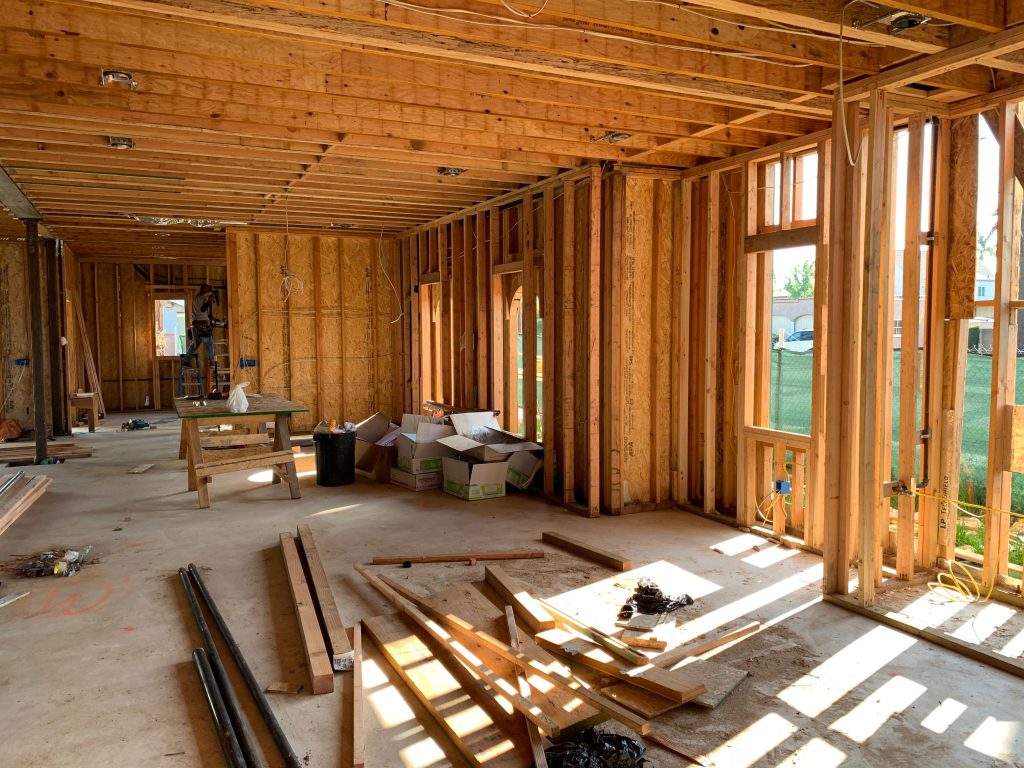
Your home can need an update long before you are ready for a complete remodel. A kitchen may have worn finishes, a bathroom may need attention, or several rooms may no longer feel consistent with the rest of the property. Dour Construction Group Inc. provides home renovation services that help homeowners improve existing spaces through a practical, clearly defined construction scope.
Renovation begins with understanding what should change and what is worth keeping. You might like the layout of your home but want better surfaces, more useful storage, or repairs completed alongside an interior update. Keeping those priorities in view helps direct the work toward improvements that make a difference to everyday living.
Dour is a construction company based in New York offering residential renovations, remodeling, drywall, and interior improvements. We believe clear communication and respect for the property belong at the center of the working relationship. Tell us what you want to renew, and we can discuss the details that will shape your home renovation.
Choose the Right Scope for Your Home
A renovation can focus on a room, several related areas, or a collection of improvements throughout the property. The scope should reflect the condition of the home and your priorities. Replacing finishes in one room is a different project from updating walls, flooring, and fixtures across multiple areas, even when both are described simply as a renovation.
Begin by listing the spaces involved and the reason each one needs attention. For example, a hallway floor may be worn while a nearby room needs drywall repair and repainting. Looking at those tasks together can help establish where work connects and whether it makes sense to complete the improvements as one project.
It is also useful to identify what will stay. Existing cabinets, flooring, doors, or decorative details may be part of the character you want to preserve. A renovation scope should make those boundaries clear so new work relates thoughtfully to the parts of the home you already enjoy.
Home Renovation Services to Consider
Kitchen and Bathroom Updates
Kitchens and bathrooms are often the first spaces homeowners want to renew. A kitchen renovation may involve cabinets, countertops, flooring, or improvements to surrounding wall surfaces. Bathroom work can include the vanity area, flooring, and the finishes around a shower or tub. The right scope depends on whether you want to retain the existing arrangement or consider more extensive changes.
Start with how the room functions. Identify limited storage, hard to maintain surfaces, or features that feel inconvenient. Those observations provide direction for material and layout decisions. If the project affects plumbing, electrical work, or other specialist systems, identify those needs before treating the renovation as a finishes only update.
Walls and Ceilings
Damaged or uneven wall surfaces can affect the appearance of an otherwise comfortable room. Drywall repairs and surface preparation may be part of renewing the interior before painting. The amount of work depends on the existing finish, the type of damage, and whether repairs can remain localized or need to cover a wider area.
Tell us about recurring cracks, previous leaks, and repairs that have been completed before. A renovation should consider the cause of visible damage where one is suspected. Replacing or covering a finish without addressing an unresolved condition can leave the homeowner with the same problem after the room has been updated.
Flooring and Interior Finishes
New flooring can change the feel of a room and help connect neighboring spaces. Choosing the finish involves more than color. Think about foot traffic, pets, cleaning habits, and the relationship between the new floor and existing surfaces. Differences in height at doorways, stairs, or adjoining rooms also deserve attention during planning.
Trim, paint, and other interior improvements help complete the renovation. These elements can be considered as a group so the finished space feels deliberate. If you are retaining some original details, explain which ones matter to you and how you want the new finishes to relate to them.
Basement and Additional Living Areas
A basement renovation or an update to a spare room can make better use of space already within the home. You may want a comfortable area for hobbies, a more organized family room, or a practical place to work. The intended use helps establish the improvements needed and the decisions that require further review.
For basement work, the existing condition of the space is especially important. Moisture history, access to building systems, and the suitability of the space for its intended use should be considered before new finishes are selected. Describe the result you want while allowing the property’s condition to guide the construction scope.
Preserve What Works and Improve What Does Not
Separate Repairs From Preferences
A useful renovation plan distinguishes necessary repairs from optional changes. Worn drywall, damaged flooring, or a recurring water issue may need attention before decorative improvements. Listing those items separately helps establish priorities and gives the budget discussion a clear foundation.
Preferences still matter. You may want brighter finishes, a different cabinet style, or a more consistent appearance throughout the home. Explain which choices are central to your vision and which ones are flexible. This helps compare alternatives without losing sight of the reason you are renovating.
Consider How You Use Each Space
Think through an ordinary day in the home. Where do belongings collect? Which rooms feel difficult to clean? Does a floor show wear along a main route? Is there a room you rarely use because it feels unfinished? These details turn a broad request for an update into a set of useful project goals.
The same exercise helps prevent unnecessary work. If a feature serves you well, it may not need replacement simply because other parts of the room are changing. A focused renovation can preserve useful elements while addressing the surfaces and details that need improvement.
Connect New Finishes to Existing Rooms
Renovated spaces should be considered in relation to the rooms around them. Flooring transitions, paint choices, trim profiles, and the view through a doorway influence how the update feels within the home. Choosing everything room by room without looking at those connections can lead to an appearance you did not intend.
Samples and photographs can help you compare materials in context. Look at selected finishes beside the surfaces you plan to keep. Consider the lighting in the actual room and how the materials will look from neighboring spaces. Make the choices early enough to inform the construction details they affect.
Prepare for the Renovation Process
Provide a Clear Starting Description
You do not need a finished design to begin the conversation. Share the rooms involved, current condition, and improvements you want to make. Photos can show the existing space, while a simple list can explain the problems that are not obvious in an image. Include any previous repair information that relates to the proposed work.
If you have drawings, product selections, or a written scope, provide them with the inquiry. State which decisions are settled and which remain open. This distinction helps avoid quoting an assumed solution when you are still comparing different approaches to the renovation.
Establish the Work Boundaries
The agreed scope should explain the areas involved and the tasks expected within them. Consider removal, preparation, installation, and finishing rather than naming only the new materials. For example, replacing a floor raises questions about the existing surface, the condition underneath, and the trim or transitions needed afterward.
Also identify items outside the current project. If a nearby room is part of a future phase, make that intention clear. It may influence how the present work ends at a doorway or another boundary. A defined stopping point helps you understand what completion means for this renovation.
Plan for Household Disruption
Discuss the rooms you need to use during construction and how access can be arranged. A kitchen or bathroom renovation may affect essential household routines. Work in hallways or stairs can also influence movement through the property. Temporary arrangements should be considered before the work begins.
Provide information about pets, remote work, storage, and any limitations on delivery or parking. Renovations involve activity within an existing home, so practical planning is part of the project. Your household needs help inform expectations about work areas and which parts of the property remain in use.
Understand Budget and Timing
Home renovation costs depend on the amount of work, existing conditions, material choices, and the preparation needed before installation. A room with surfaces ready for a finish update presents different requirements from one that needs removal and repairs first. A useful quote discussion therefore starts with details about both the desired result and the current property.
Share an approximate budget and any deadline that affects the project. Timing can depend on material availability, measurements, required approvals, and specialist work. If you are planning several improvements, identify which ones are essential to complete together and which could be considered in a later phase.
Changes made during renovation should be reviewed for their effect on the agreed scope. A new material choice, additional room, or concealed condition can affect cost and sequencing. Keeping these decisions connected to the written work description helps you understand what has changed and why it matters to the project.
Talk to Dour About Your Home Renovation
Dour Construction Group approaches home renovations with attention to detail and an emphasis on clear communication. We work with homeowners and property owners who want to renew existing spaces and understand the construction involved. Our aim is a professional process that respects the home and keeps the project goals in view.
Request a quote with your property location, rooms involved, preferred timing, and a short description of the improvements you are considering. Include photos, plans, and any materials you have selected. Whether you want to update one room or several connected areas, start by telling us what you want your renovation to accomplish.
Frequently Asked Questions
What is the difference between a renovation and a remodel?
Renovation commonly refers to renewing an existing space, while remodeling may involve changing its arrangement or use. The terms often overlap. When requesting a quote, describe the actual work you want rather than relying on the label alone. The details determine the project’s scope.
Can I renovate only part of my home?
Yes, a renovation can focus on a room or a defined group of improvements. Consider how the work connects to adjoining spaces and whether preparation affects other areas. A focused scope should identify the stopping points and the finishes needed to leave the renovated area complete.
Should I choose materials before requesting a quote?
You can contact Dour before all selections are complete. It helps to share your preferences and budget. Final material choices may affect quantities, preparation, and installation details, so the scope should explain which selections are confirmed and which still need to be made.
Can existing cabinets or flooring stay during a renovation?
Some existing elements may be retained if their condition and the proposed work allow it. Explain which items you want to preserve. The project needs to consider their relationship to new finishes and how surrounding work will affect them before that decision is finalized.
How long will my home renovation take?
The duration depends on the scope, existing conditions, materials, and any required approvals or specialist work. A small finishes update has different dependencies from a renovation involving several rooms. Share your preferred schedule so timing can be discussed against the actual project details.
What information helps Dour review a renovation request?
Provide the property address, rooms involved, current condition, desired changes, approximate budget, and preferred timing. Photos and existing plans are helpful. Include relevant repair history and tell us whether the home will be occupied during construction or whether you already have materials.