
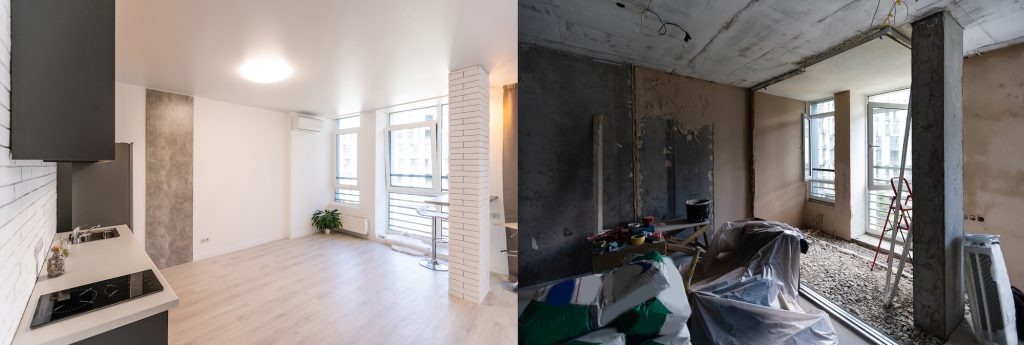
An apartment or condominium renovation can improve the way your home feels and functions while working within an existing building. You may want a more useful kitchen, refreshed bathroom finishes, or a consistent interior throughout the unit. Dour Construction Group Inc. provides apartment and condo renovation services for owners and residential property owners planning improvements to their spaces.
Our services include apartment remodeling, condo remodeling, unit renovations, rental property renovations, and apartment turnovers. The project can involve drywall, flooring, kitchens, bathrooms, and other interior improvements within the agreed scope. Each unit needs to be considered in the context of its condition, intended use, and building requirements.
Dour is a construction company based in New York, focused on dependable workmanship and clear communication. We understand that a renovation in a shared building involves practical details beyond the unit itself. Tell us about the improvements you want and the information available from the owner or management so the project discussion begins with those conditions in view.
Renovate for the Way the Unit Will Be Used
Improvements for Your Own Home
If you live in the apartment or condo, start with the features that affect your daily routine. Limited storage, worn surfaces, or an awkward room arrangement may be the reason you are renovating. Describe the problems clearly so the construction conversation can focus on improvements that serve your needs.
Consider the elements you want to keep as well. A renovation can preserve useful cabinets, original details, or finishes in good condition while updating other areas. Identifying retained items helps define the work boundaries and gives context to decisions about flooring, trim, and neighboring surfaces.
Rental Unit Renovations
For rental property owners, the goals may include addressing damage, renewing interiors, or making maintenance more manageable. Explain the unit’s condition and whether the work is connected to a planned change of occupancy. A clearly described scope helps distinguish necessary repairs from optional updates.
Material choices should reflect the unit’s intended use and the maintenance you expect to manage. Consistent product information can also help when similar improvements are planned across several units. Describe each apartment’s actual condition rather than assuming the same construction scope applies to every unit in the building.
Apartment Turnover Work
Turnover improvements often begin with a defined list of tasks between occupants. Drywall repairs, flooring work, painting, and other interior updates may need consideration. The project should identify the areas involved and the preparation required so the work can be reviewed against the available access period.
Apartment and Condo Renovation Services
Kitchen Improvements
Kitchen renovations can involve cabinets, countertops, flooring, and surrounding interior surfaces. The arrangement should be considered in relation to the unit’s available space and the building’s existing services. Product dimensions and the intended layout help determine the preparation and installation details.
If you are changing the location of fixtures or appliances, identify the specialist work that may be required. Building rules can also affect what changes are permitted. Share plans and relevant management information before treating the project as a finishes only update. Retaining the general arrangement may still involve product and system requirements that need review.
Bathroom Renovations
A bathroom update may renew the vanity area, flooring, shower or tub surroundings, and other finishes. Existing leaks or damage deserve attention before new surfaces are planned. In a shared building, the relationship between the unit’s work and nearby properties or building services also needs consideration.
Explain whether the bathroom is the unit’s only available facility and whether the apartment will be occupied. Access restrictions and planned service interruptions can influence arrangements during construction. Applicable building and public approval requirements should be confirmed for the proposed work rather than assumed from a similar project elsewhere.
Drywall and Interior Surfaces
Drywall repairs, replacement surfaces, and related interior improvements can renew worn areas of the unit. The scope needs to explain which walls and ceilings are involved and how the repairs will relate to existing finishes. Localized work and a broader room update may require different finishing boundaries.
Report recurring cracks, stains, and previous repairs. A visible defect may have a cause that needs review beyond ordinary surface work. If walls or ceilings form part of a required building assembly, the relevant construction requirements should be considered before alteration. Avoid assuming every interior surface serves only a decorative purpose.
Flooring and Finishing Details
New flooring can help create a consistent appearance through a compact unit or connect areas that have been updated at different times. Existing floor conditions, transitions, door clearance, and the selected product’s requirements affect the installation scope. These details should be considered along with the visible finish.
Ask management about any flooring or sound related requirements that apply to the building before selecting materials. The appropriate product and assembly depend on those conditions as well as personal preference. Trim and paint choices can then be discussed in relation to the floor and the elements you plan to retain.
Plan Around the Shared Building
Building Rules and Permissions
Owners should obtain the building’s renovation procedures before construction is scheduled. Management may have requirements concerning submissions, work hours, access, contractor documentation, or the types of alterations allowed. Share the actual rules for your property rather than relying on expectations from another building.
Building permission and public approvals can address different responsibilities. Confirm both where applicable and identify who will obtain them. If you are a tenant or representing an owner, explain your authority to arrange the work. The project needs a clear decision maker and the permissions appropriate to the property.
Deliveries and Removal
Renovation materials have to reach the unit, and removed items need a planned route out. Elevators, stairs, entry doors, and shared corridors can influence the size and timing of deliveries. Product dimensions should be considered against the available access before purchases are finalized.
Tell us about reservations, loading arrangements, parking, and areas where materials can be held. Confirm the building’s procedures for protecting and using shared spaces. These details help explain the practical conditions of the job and should be considered alongside the work happening within the unit.
Working Hours and Neighboring Units
Construction activity can be noticeable beyond the apartment. Building work hours and noise rules may influence how the project is organized. Identify those requirements early, along with any communication procedures established by management. The plan should reflect the actual building conditions.
Access to shared services may also need coordination through the appropriate parties. If the project requires specialist system work, explain what information or arrangements management expects. The scope should distinguish the construction tasks inside the unit from responsibilities that depend on building staff, another trade, or the owner.
Define the Scope and Material Responsibilities
A detailed unit renovation scope should identify each room and the work expected within it. Include removal, preparation, installation, and finishing where relevant. Naming only a new floor or vanity may leave the necessary surrounding work unclear, particularly when existing surfaces need repairs first.
Explain which products you have selected and who will purchase them. Supplied materials still need to be reviewed for suitability, dimensions, completeness, and availability. In an apartment, delivery and storage limitations make this information particularly useful. Keep product specifications connected to the areas where they will be installed.
Prepare the Unit for Renovation
Decide whether the unit will be vacant or occupied during construction. A compact apartment may have limited space to separate belongings and living areas from the work. Improvements to the kitchen, bathroom, or main access route can affect essential daily routines even when the construction scope seems small.
Plan storage and temporary arrangements before work begins. Discuss furniture, personal belongings, pets, and the rooms you need to use. If the apartment will be vacant, confirm access arrangements and the person available to make decisions. Practical preparation helps keep the project conversation grounded in how the unit will actually be available.
Budget and Scheduling Considerations
The cost of a unit renovation depends on the work, materials, existing conditions, and building related requirements. Access restrictions and specialist tasks can influence the project as well as room size. A clear description allows the quote conversation to account for those details rather than focusing only on the unit’s square footage.
Timing may depend on management procedures, public approvals, deliveries, and the order of construction. Share your preferred schedule and explain any occupancy deadline. If additional needs arise or you change the scope, review the effect on cost and sequencing before the extra work proceeds.
Request an Apartment or Condo Renovation Quote
Dour Construction Group works with owners and property owners who want useful improvements to residential units. We value clear communication about the construction and the practical conditions of the property. Our aim is a professional approach that respects the unit and the project requirements.
Contact us with your property location, unit size, rooms involved, photos, and desired changes. Include building rules, available plans, selected materials, budget priorities, and preferred timing. Tell us whether the apartment will be occupied. Request a quote to begin discussing your apartment or condo renovation.
Frequently Asked Questions
Do I need building approval before renovating a condo?
Check the actual requirements of your building and the relevant public authority. Building permission and public approvals may address different obligations. Share management’s renovation procedures with your inquiry so the construction discussion can account for the permissions and responsibilities that apply to your project.
Can Dour discuss renovations for a rental apartment?
Dour’s residential services include rental property renovations and apartment turnovers. Tell us about the unit’s condition, intended improvements, and available access period. If you are acting for an owner, identify the decision maker and confirm the permission needed to arrange the work.
Can I change the kitchen or bathroom layout?
That depends on the existing building, services, proposed construction, and required permissions. Relocating fixtures can introduce specialist work beyond the finishes. Share plans and building rules early so the changes can be reviewed before the scope assumes they are feasible.
Are there special considerations for apartment flooring?
Yes. Review the existing floor, product requirements, transitions, and any building rules concerning flooring or sound. Management may need to confirm permitted assemblies or materials. Delivery and storage access also matter, so provide product information before the installation plan is finalized.
Can the unit stay occupied during renovation?
That depends on the scope and whether essential facilities and access can remain available. A compact unit may provide limited separation from the work. Discuss household arrangements before construction and consider alternative accommodation where the actual project makes continued occupancy impractical.
What helps establish a realistic renovation schedule?
Provide the full scope, building procedures, available access dates, material information, and any occupancy deadline. Approvals, deliveries, and specialist work can influence timing. The schedule should be discussed against these details rather than based only on the number of rooms involved.