
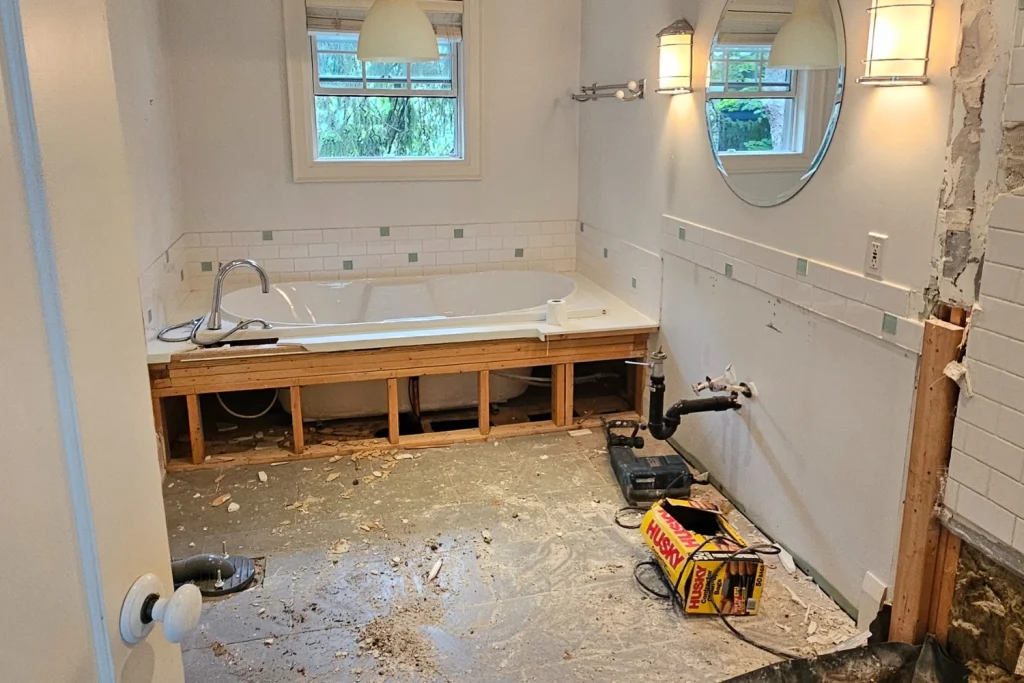
A bathroom needs to feel comfortable, function reliably, and suit the people who use it every day. Worn surfaces, limited storage, or an inconvenient arrangement can make the room harder to use than it needs to be. Dour Construction Group Inc. provides bathroom remodeling services for homeowners and residential property owners looking to improve an existing bathroom.
Our bathroom services include work in shower and tub areas, bathroom flooring, vanity and fixture installation, drywall, and related interior improvements. A remodel can focus on renewing the current room or become part of a wider renovation. The right scope begins with your goals and the conditions already present in the bathroom.
As a construction company based in New York, Dour emphasizes dependable workmanship and clear communication. We work with you to understand the changes you want and the preparation those changes involve. Tell us what feels inconvenient about the current room, which elements you want to keep, and how you want the finished bathroom to serve your household.
Plan a Bathroom Around Everyday Use
Space and Movement
Consider how people enter the bathroom and move around the fixtures. A vanity door, shower enclosure, or inward opening room door can influence the available space. A product that fits within the room’s measurements may still feel inconvenient when neighboring features are in use. Look at the arrangement as a whole before deciding on replacements.
If you want to change the layout, explain why. You may need more room at the vanity, easier access to the bathing area, or a better use of an awkward corner. Moving fixtures can affect plumbing and other construction, so the proposed arrangement needs review before the project is treated as a straightforward surface update.
Storage That Matches Your Routine
Bathroom storage should account for the items you use daily and the supplies you prefer to keep nearby. Look at what currently sits on the vanity and where towels, cleaning products, and personal items are stored. The answers help guide cabinet and vanity choices toward practical use.
Consider who shares the room and whether different people need separate storage. Product dimensions and door or drawer movement matter as well as appearance. If you have selected a vanity, provide its specifications so the installation and surrounding work can be considered together. Choosing the storage early helps define the finishes and details around it.
Comfort and Ease of Use
Your household may have needs that go beyond a visual update. Easier movement, a more convenient bathing arrangement, or fittings that are comfortable to operate can influence the project. Describe those goals directly instead of assuming a photograph communicates the practical result you want.
Features such as grab bars or a changed shower entry require appropriate planning and suitable construction. Discuss them before walls and finishes are completed. A particular product should not be assumed to make the whole room accessible; the complete arrangement and any relevant requirements need review for the person who will use it.
Bathroom Remodeling Services
Shower and Tub Areas
The shower or tub area often sets the direction for a bathroom remodel. You may want to renew worn finishes, replace an outdated enclosure, or explore a different bathing arrangement. The scope should account for the existing construction, selected products, and the work required around the finished surfaces.
Water management deserves attention before decorative choices are finalized. Tile and grout alone do not provide a complete waterproofing solution. The suitable installation assembly, product instructions, and construction details need consideration as part of the project. Report any existing leak or damage so the proposed work can address the condition behind the visible finish.
Vanity and Fixture Installation
A new vanity can improve the bathroom’s storage and appearance, but installation needs to account for more than the cabinet size. Wall conditions, the relationship to flooring, and the selected sink or countertop can affect the work. Relevant product information helps establish the surrounding details before installation is planned.
Fixture changes may involve specialist plumbing or electrical work. Identify those tasks within the project and confirm the appropriate professional responsibilities. If you plan to keep some fixtures, explain which ones will remain so the construction scope reflects their position and condition rather than assuming the room will be replaced in full.
Bathroom Flooring
Flooring choices should suit a room that experiences regular cleaning and moisture. Review the intended application and care requirements of the selected product. Appearance matters, but the product’s suitability and the preparation beneath it are part of achieving a useful finished bathroom.
The existing floor may need removal or repair before a new surface can be installed. Changes in height can also affect the doorway, fixtures, and adjacent floor. Include these relationships in the discussion so the quote considers the tasks needed around the flooring, as well as the visible material itself.
Drywall and Interior Finishes
Walls and ceilings may require repair or preparation when bathroom features are removed or replaced. New paint or trim will look different depending on the condition of the surface underneath. A defined interior scope helps establish which areas will be repaired, renewed, or left in place.
Materials should be suitable for their location within the bathroom. Areas exposed to water have different needs from surfaces elsewhere in the room. Product requirements and the planned construction assembly should guide the choices. Tell us about peeling finishes, stains, or recurring damage so those conditions can be considered before new surfaces are installed.
Address Existing Conditions Before Finishing
Water Damage and Recurring Problems
A bathroom remodel should include a discussion of any known leaks, soft areas, or surfaces that repeatedly deteriorate. Visible damage can be a sign that another issue needs attention. Renewing a surface without addressing an unresolved cause may leave the same problem in the finished room.
Share repair records or information about when the damage appears. You do not need to diagnose the bathroom yourself. Describe what you have noticed and where it occurs. If specialist investigation or remediation is needed, that dependency should be identified before ordinary remodeling work is expected to proceed in the affected area.
Ventilation and Related Systems
Moisture generated by bathing is part of the room’s everyday use. Ventilation should be considered alongside the finishes rather than overlooked because the main goal is cosmetic. Existing equipment, proposed changes, and the property’s requirements may call for input from an appropriate specialist.
Lighting and electrical products also need review in the context of the bathroom. Share specifications for selected fixtures and explain what you want to change. The overall scope should make clear which tasks are included, who is responsible for specialist work, and whether approvals are needed for the proposed changes.
Work Concealed Behind Surfaces
Some existing conditions cannot be confirmed from a photograph of the finished room. Removing surfaces can reveal damage or construction that changes the required preparation. The project discussion should account for how newly discovered needs will be reviewed before additional work is undertaken.
This is also why a bathroom quote should describe the scope rather than rely only on room size. Two bathrooms with similar dimensions may have different requirements beneath the finishes. Information about previous alterations and known issues helps make the starting conversation more specific.
Prepare for the Remodeling Period
Identify whether this is the household’s only bathroom and what facilities will remain available. Work affecting the toilet, sink, shower, or tub can interrupt essential routines. Temporary arrangements should be considered before construction, based on the actual scope and which portions of the room will be out of use.
Clear personal belongings from the work area and discuss the route used for materials. Small bathrooms can still involve deliveries, removal, and activity through neighboring rooms. Tell us about access limitations, pets, and any areas of the property that need to remain available throughout the work.
If the bathroom is in an apartment or condominium, share the building’s renovation rules and approval process. Working hours, deliveries, and access to shared areas can influence the plan. Building permission and public approvals may address different responsibilities, so the requirements for the property should be confirmed before the affected work begins.
Budget and Material Decisions
The budget depends on the extent of the remodel, selected products, existing conditions, and preparation needed. Keeping the general layout may produce a different scope from relocating fixtures or rebuilding a bathing area. Explain which improvements are essential and where material preferences are flexible.
Product availability and the order of work can affect timing. Confirm purchasing responsibilities and share specifications before related construction is finalized. If you supply materials, their suitability and completeness still need review. Changes made after the scope is agreed should be discussed for their effect on cost and sequencing.
Request a Bathroom Remodeling Quote
Dour Construction Group works with homeowners who want a bathroom that better supports everyday use. We approach the conversation with attention to the existing room, the intended improvements, and the details that connect the work. Our aim is a clear and professional process that respects the property.
Send the project location, bathroom photos, approximate dimensions, and a description of the changes you want. Include plans, product selections, budget priorities, and preferred timing where available. Tell us whether another bathroom is accessible during construction. Request a quote to begin discussing your bathroom remodeling project.
Frequently Asked Questions
Can I update my bathroom without moving the fixtures?
Yes, a remodel can focus on the vanity, flooring, wall finishes, and bathing area while keeping the general arrangement. Existing conditions and new product requirements still need review. Explain what will stay and what you want replaced so the scope reflects the actual work.
Can a bathtub be changed to a shower?
That may be an option, but the suitability depends on the room, existing construction, drainage, and the proposed shower assembly. The project should be reviewed before assuming the change is straightforward. Share your goals and any product ideas so the relevant construction and specialist needs can be considered.
Why does waterproofing matter in a bathroom remodel?
Wet areas need an appropriate construction assembly to manage water behind the visible finishes. Tile and grout alone are not a complete waterproofing solution. Product instructions, existing conditions, and the proposed installation need review so the plan addresses the room’s use as well as its appearance.
Can Dour discuss improvements for easier bathroom access?
Tell us about the specific needs you want the room to accommodate. Features such as support bars or changes to a shower entry may require preparation and suitable construction. The entire arrangement should be reviewed rather than assuming one product makes the bathroom accessible.
How much does bathroom remodeling cost?
The cost depends on scope, selected products, layout changes, preparation, and existing conditions. A finishes update differs from work involving a rebuilt shower or specialist systems. Provide photos, your priorities, and an approximate budget to support a useful conversation about the project.
Can I use the bathroom while it is being remodeled?
Use may be restricted during some or all of the work, depending on the scope. Tell us if it is the home’s only bathroom. Discuss alternative arrangements before construction so the household is prepared for periods when essential fixtures or access are unavailable.